If you’ve ever walked past a commercial walk-in cooler on a sweltering summer afternoon and noticed it running non-stop, chances are you’re witnessing the downside of an overlooked component: proper insulation for air cooled evaporators. As a supplier of air cooled evaporators, I’ve seen firsthand how cutting corners on insulation turns a well-designed refrigeration system into an energy guzzler, a maintenance nightmare, and a costly liability for businesses. It’s not just a box of foam wrapped around a metal coil—it’s the unsung hero that keeps temperatures stable, cuts operating costs, extends equipment life, and protects the integrity of every product that relies on refrigeration. Let’s break down why this small, critical detail matters more than most facility managers or HVAC technicians realize. Air Cooled Evaporators
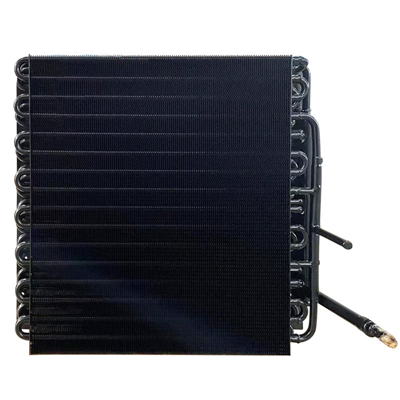
First, I need to ground this in how air cooled evaporators actually work. Unlike water cooled units that use liquid to carry heat away, air cooled evaporators pull warm ambient air into the unit, pass it over a cold coil filled with refrigerant, and push cooled air back into the space it’s cooling—think grocery store meat cases, bakery walk-ins, or cold storage warehouses. The thin metal of the evaporator coil itself gets cold enough to cause condensation and frost to form on its surface, even in relatively dry spaces. That’s where insulation comes in: it’s the material that lines the enclosure (called the evaporator cabinet) around the coil, creating a thermal barrier between the cold interior of the cabinet and the warm, humid air outside.
Wait, that’s a key point I can’t skip: insulation isn’t just for keeping cold air in—it’s also keeping warm, humid air out. If the insulation is thin, damaged, or poorly installed, that warm air seeps into the cabinet, hits the cold coil, and turns into frost. And too much frost on an evaporator coil is a problem, right? It insulates the coil from the air it needs to cool, so the unit has to run longer and harder to maintain the correct temperature. I’ve had customers reach out complaining about sky-high energy bills, only to pull the evaporator cabinet panel and find frost buildup so thick it’s half the size of the coil. More often than not, the root cause isn’t a bad compressor or a faulty refrigerant charge—it’s missing insulation on the cabinet seams, a tear in the insulation panel, or using insulation with too low a R-value (that’s the measure of thermal resistance, for anyone new to refrigeration terminology).
Let’s talk energy costs, because that’s the bottom line for almost every business. According to the Department of Energy, commercial refrigeration systems account for roughly 7% of total U.S. commercial energy use, and evaporators are responsible for a huge chunk of that load. When insulation fails, heat leakage into the evaporator cabinet forces the system to operate 15-30% longer than it should to maintain set temperatures. For a 10,000 square foot cold storage warehouse, that can add up to $10,000 or more in annual energy costs. I had a client in the Midwest last year who installed a new air cooled evaporator but skipped upgrading the insulation, sticking with the old 1-inch fiberglass panels that came from their 15-year-old unit. Their monthly electric bill jumped by $1,200 within three months, even after they had a technician check the refrigerant and clean the coils. When we inspected the cabinet, we found that the R-value of their old insulation was only R-5, half the recommended R-10 minimum for that climate. After replacing the insulation and sealing all seams, their energy use dropped by 22%—that’s $14,400 a year back in their pocket. That’s not a fluke; it’s basic thermodynamics. Heat always moves from warmer areas to cooler areas, so if your evaporator cabinet is warmer than its interior, heat will flow right through until the temperatures equalize. Good insulation slows that flow to a near-stop, so the evaporator only works as hard as it needs to.
Next, product integrity. If you own a grocery store, a restaurant, or a pharmaceutical cold chain, you can’t afford inconsistent temperatures. A walk-in cooler holding fresh produce or raw meat that’s a few degrees warmer than set can lead to spoilage, foodborne illness risks, and wasted inventory. For pharmaceutical facilities, even a 1-degree fluctuation in a vaccine storage unit can render expensive medications useless. Insulation plays a huge role here. Without a proper barrier, the evaporator has to cycle on and off more frequently to compensate for heat leakage, and those temperature swings can be 2-3 degrees wider than they should be. I recently worked with a craft brewery that was having issues with their keg cooling walk-in—their draft beer was coming out too warm and had a shorter shelf life. The problem was that the evaporator insulation was installed backward, leaving a gap where warm air was seeping in, causing the coil to frost over during off cycles. Once we replaced the insulation correctly and sealed all the cabinet joints, their temperature fluctuations dropped from ±4°F to ±0.5°F, and their beer shelf life extended by two weeks—enough to save them thousands in wasted kegs each quarter. That’s the kind of impact that insulation has on product quality, not just utility bills.
Then there’s equipment longevity. Air cooled evaporators are built to last 15-20 years, but poor insulation can cut that lifespan by half. When the unit runs non-stop to compensate for heat leakage, parts wear out faster. The compressor, in particular, takes the brunt: it has to work harder every time it turns on, leading to more strain on the motor, higher friction, and more frequent breakdowns. I’ve seen evaporators from well-known brands fail at 7 years, not because of a manufacturing defect, but because the facility installed cheap insulation that deteriorated and let in consistent heat. Frost buildup also contributes: when frost forms on the coil, it restricts airflow, making the evaporator fan work harder, leading to higher motor wear and increased energy use. Worse, if moisture gets past damaged insulation and into the cabinet, it can cause corrosion on the coil, fan blades, and metal cabinet frame—corrosion that’s often not covered under warranty, because it’s considered damage from poor installation or lack of maintenance. Proper insulation prevents moisture infiltration, keeps the evaporator’s internal components at a consistent, safe temperature, and reduces the load on every part of the system, so it runs smoothly for years longer.
Wait, I should address a common misconception I hear all the time: “We don’t need good insulation because we defrost the evaporator regularly.” Defrost cycles are important, but they’re not a replacement for proper insulation. Defrosting runs the evaporator at a higher temperature to melt frost, which uses extra energy, and frequent defrost cycles also add wear to the system. Think of it this way: defrosting is like putting a band-aid on a cut, while good insulation is like getting stitches. Both can help, but one is far more effective at preventing the problem in the first place. I’ve had customers brag about their “efficient defrost system,” only to find that their annual energy bills are still 20% higher than industry averages, because they’re wasting energy melting frost that wouldn’t form if insulation was doing its job.
Not all insulation is created equal, either. As a supplier, I work with HVAC technicians and facility managers every day to pick the right insulation for each air cooled evaporator, and it’s not a one-size-fits-all solution. Factors like climate, space temperature, evaporator cabinet size, and even the type of product being stored matter. For example, units in cold climates (like Minnesota or Canada) need insulation with a higher R-value, because the temperature difference between the cabinet interior and the outside is much larger—more heat is trying to seep in, so you need a stronger barrier. For spaces storing very delicate products, like vaccines or specialty produce, we use closed-cell foam insulation instead of fiberglass, because it’s more moisture-resistant and creates a tighter seal around the cabinet seams. Fiberglass is cheaper, but it absorbs moisture over time, which reduces its R-value by up to 50% within a few years. That’s a trade-off I always walk through with clients: yes, fiberglass is less expensive upfront, but closed-cell foam will save you money in the long run on energy bills and maintenance.
Installation is just as important as the type of insulation. Even the best insulation won’t work if it’s cut wrong, has gaps, or isn’t sealed properly at the cabinet joints, where the door meets the frame, or where the evaporator connects to the ductwork. I’ve seen jobs where technicians installed insulation but left a 1-inch gap around the fan motor, essentially defeating the purpose. That’s why I always stress that insulation isn’t a do-it-yourself project for most commercial applications. It requires precise cutting, tight sealing, and attention to small details that make all the difference. A few months ago, a customer tried to install insulation on their new evaporator themselves, and they ended up with 10 separate gaps around the cabinet. When I visited their site to fix it, I found that those gaps were responsible for 18% of their total heat leakage. Sealing those gaps with a high-quality adhesive and adding a vapor barrier fixed the problem, and their energy use dropped immediately.
I also need to talk about maintenance, because insulation doesn’t last forever. It can get damaged during cabinet panel replacements, or deteriorate from exposure to moisture over time. That’s why checking insulation during regular HVAC maintenance checks is non-negotiable. I encourage clients to inspect their evaporator insulation twice a year—once in spring before the peak cooling season, and once in fall—to look for tears, gaps, or areas where the insulation has become loose. It’s a simple check that takes less than an hour, but it can prevent thousands in unnecessary costs.
Let’s tie this all together. For any business relying on refrigeration, air cooled evaporators are the workhorses of the system, and their insulation is the quiet component that keeps them running efficiently, safely, and affordably. It’s not a flashy part—you won’t see it advertised on product spec sheets, and it’s easy to overlook when you’re upgrading equipment or fixing a problem. But as someone who’s been in this industry for over a decade, I can tell you that the best refrigeration systems aren’t the ones with the most powerful compressors or the shiniest coils—they’re the ones with proper, well-installed insulation that does the hard work of keeping heat out and cold in.
If you’re a facility manager, HVAC technician, or business owner looking to upgrade your air cooled evaporators or improve the efficiency of your existing system, don’t underestimate the role of insulation. Even small improvements can add up to huge savings on energy, lower maintenance costs, longer equipment life, and peace of mind that your products are stored at safe, consistent temperatures. I’ve helped hundreds of clients across industries fix their refrigeration issues by addressing insulation first, before looking at more expensive replacements or repairs. It’s a solution that delivers results fast, with a quick return on investment.
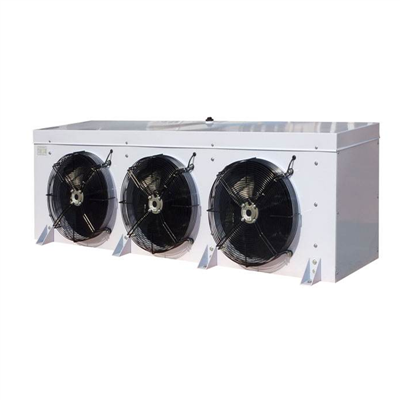
If you’re ready to learn more about how proper insulation can benefit your air cooled evaporator system, or if you’re in the market for high-quality evaporators with optimized insulation for your specific needs, I’d be happy to connect. We can walk through your space, your cooling requirements, and help you find the right solution that fits your budget and your long-term goals. Don’t let an overlooked component cost you thousands—reach out today to start a conversation about making your refrigeration system work harder for you, not against you.
Finned Tube References
- U.S. Department of Energy. (2022). Commercial Refrigeration Energy Use and Efficiency Opportunities. Office of Energy Efficiency & Renewable Energy.
- American Society of Heating, Refrigerating and Air-Conditioning Engineers (ASHRAE). (2021). HVAC Applications Handbook: Refrigeration. ASHRAE.
- Refrigeration Service Engineers Society (RSES). (2020). Commercial Evaporator Maintenance and Efficiency Guide. RSES International.
Xiangshui Derkang Refrigeration Equipment Co., Ltd.
Address: No. 2, Xiaojian Town Entrepreneurship Park, Xiangshui County
E-mail: 505745223@qq.com
WebSite: https://www.xsderk.com/
