Hey there! I’m a supplier of PVC insulation boards, and I often get asked how the insulation performance of our PVC insulation boards stacks up against fiberglass insulation. So, I thought I’d take a deep dive into this topic and share my insights with you. PVC Insulation Board
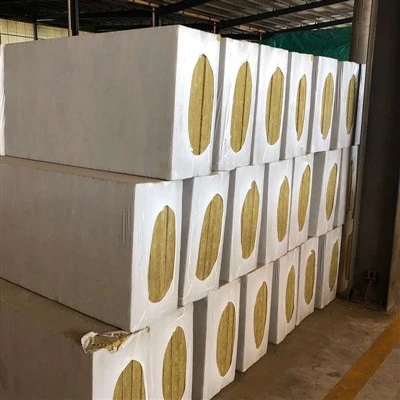
First off, let’s talk about what insulation is all about. Insulation is like a cozy blanket for your home or building. It helps to keep the heat in during the cold months and out during the hot months. This not only makes your space more comfortable but also saves you a ton of money on energy bills.
Now, let’s start with fiberglass insulation. Fiberglass has been around for a long time, and it’s a pretty well – known option. It’s made from tiny glass fibers that trap air pockets. These air pockets are great at reducing heat transfer because air is a poor conductor of heat. Fiberglass insulation comes in different forms, like batts and loose – fill.
One of the big advantages of fiberglass insulation is its high R – value. The R – value is a measure of how well an insulation material resists heat flow. The higher the R – value, the better the insulation. Fiberglass can have a relatively high R – value, especially when it’s installed correctly. It’s also fire – resistant, which is a huge plus for safety.
But fiberglass isn’t without its drawbacks. Handling fiberglass can be a real pain. The tiny glass fibers can irritate your skin, eyes, and lungs. You have to wear protective gear like gloves, goggles, and a respirator when installing it. And if it gets wet, its insulation performance can drop significantly. Plus, over time, fiberglass can settle, which reduces its effectiveness.
On the other hand, let’s look at PVC insulation boards. PVC, or polyvinyl chloride, is a type of plastic. Our PVC insulation boards are made using a special manufacturing process that creates a closed – cell structure. These closed cells are filled with gas, which is an excellent insulator.
One of the great things about PVC insulation boards is their moisture resistance. Unlike fiberglass, PVC won’t absorb water. This means that its insulation performance stays consistent even in damp environments. You don’t have to worry about mold growth either, as mold can’t thrive on PVC.
Another advantage of PVC insulation boards is their ease of installation. They’re lightweight and easy to cut, so you can install them yourself without too much hassle. And because they come in boards, you can get a nice, tight fit, which helps to prevent air leaks.
In terms of R – value, PVC insulation boards can have a very good R – value per inch. While the R – value might vary depending on the specific product, in general, PVC insulation can provide excellent insulation for your space.
When it comes to fire safety, modern PVC insulation boards are treated with fire – retardant chemicals. This means they have a much lower flammability compared to untreated PVC. However, it’s important to note that they’re not as fire – resistant as fiberglass.
Let’s talk about cost. Fiberglass insulation is generally cheaper upfront. But when you factor in the long – term costs, like potential damage from moisture and the need for replacement due to settling, PVC insulation boards can be a more cost – effective option. You won’t have to worry about replacing them as often, and you’ll save on energy bills in the long run.
Now, let’s compare the environmental impact. Fiberglass is made from natural materials like sand and recycled glass. However, the manufacturing process can be energy – intensive. PVC is a synthetic material, and its production also requires energy. But many PVC insulation boards today are made with recycled PVC, which helps to reduce the environmental impact.
In terms of durability, PVC insulation boards are pretty tough. They can withstand a lot of wear and tear, and they won’t degrade as quickly as fiberglass. This means that your insulation will last for a long time, providing consistent performance over the years.
So, which one should you choose? Well, it depends on your specific needs. If you’re on a tight budget and don’t mind dealing with the installation hassles and potential moisture issues, fiberglass might be a good option. But if you want a moisture – resistant, easy – to – install, and long – lasting insulation solution, then PVC insulation boards are the way to go.
As a PVC insulation board supplier, I can tell you that our products are top – notch. We’ve spent a lot of time and effort perfecting our manufacturing process to ensure that our insulation boards provide the best possible performance. Whether you’re working on a small home renovation project or a large commercial building, our PVC insulation boards can meet your needs.
If you’re interested in learning more about our PVC insulation boards or want to discuss your specific insulation requirements, don’t hesitate to reach out. We’re here to answer all your questions and help you make the right choice for your project.
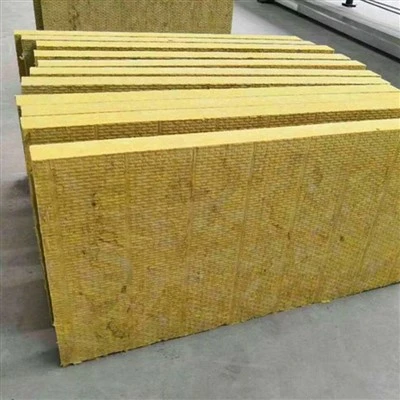
In conclusion, both fiberglass and PVC insulation have their pros and cons. But in my opinion, the benefits of PVC insulation boards, especially when it comes to moisture resistance, ease of installation, and durability, make them a great option for many applications. So, if you’re in the market for insulation, give PVC insulation boards a serious consideration.
PVC Insulation Board References:
- "Insulation Handbook" – A comprehensive guide on different types of insulation materials.
- "The Science of Building Insulation" – A book that delves into the technical aspects of insulation performance.
Langfang Aolesi Thermal Insulation Materials Co., Ltd.
As one of the most professional pvc insulation board manufacturers and suppliers in China, we also support customized service. Please feel free to buy bulk high quality pvc insulation board made in China here from our factory. For pricelist, contact us now.
Address: Dongwang Village, Dacheng County, Langfang City, Hebei Province
E-mail: Lfaolesibaowen@outlook.com
WebSite: https://www.lfaolesi.com/
