As someone who’s spent the last 12 years selling low flatbed semi-trailers to construction crews, equipment haulers, and farm operators, one question comes up in nearly every sales call, at trade show booth, and even over post-job beers at the local truck stop: “How much toolbox space do I actually get with these things?” It’s a fair question—after all, if you’re hauling bulldozer tracks, irrigation parts, or a portable generator, you can’t exactly leave your wrenches, tie-down straps, or first-aid kits scattered on the trailer deck. And a toolbox that’s too small means stopping for an extra box mid-haul, which eats into profits; one that’s too big adds unnecessary weight, cuts into haul space, and wastes fuel. Let’s break this down, real-world, no corporate fluff, about low flatbed semi-trailer toolbox storage capacity, and what matters most when picking yours. Low Flatbed Semi-trailer
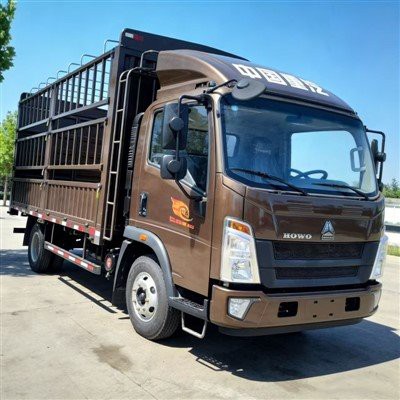
First, let’s get one thing straight: not all low flatbed semi-trailers even come with a toolbox. Wait—no, scratch that. Almost every new model shipped from our facility does, but they’re not one-size-fits-all. A lot of first-time hauler buyers see a generic “toolbox included” line on a spec sheet and assume it’s a standard 6-foot steel box that fits all 53-foot low flats. Wrong. The placement, size, and capacity are all tied to what the trailer is built to haul, and that’s where it gets specific. Low flatbeds are different from dry van trailers or reefers because they have a lower deck height—usually 18 to 24 inches, compared to 48 inches for a standard dry van. That lower height is a game-changer for hauling heavy, oversize loads like skid steers or excavators, but it also cuts into the vertical space you have for under-deck storage. Most toolboxes for low flatbeds are mounted along the frame rails, either behind the gooseneck (the curved front section that attaches to the tractor) or between the rear axles, because those are the spots that don’t interfere with loading ramps or deck space.
Now, let’s talk numbers, because that’s what everyone really cares about. When we designed our standard 53-foot heavy-duty low flatbed, we went with two toolbox setups, and they’re not interchangeable without modifying the frame. The first is our standard 48-inch side-mount steel toolbox. That one has an internal storage capacity of about 12 cubic feet. Wait, let me double-check our spec sheets—yes, exact figure is 11.8 cubic feet. That works out to roughly 75 gallons of volume for those who think in liquid measurements, but for tools, that translates to enough space for: a full set of socket wrenches, three ratchets, 10 heavy-duty tie-down straps, a tire iron and lug wrench, a small jump box, and a 5-gallon jug of hydraulic fluid. It’s not big enough for a full-size jack, but we never recommend stowing a 2-ton jack in a side toolbox anyway—those go in the gooseneck area for easy access when loading heavy equipment.
Our second common toolbox option is the 24-inch gooseneck mount box, which adds 8 cubic feet of storage, bringing total under-deck capacity on the trailer up to ~20 cubic feet. That’s a game-changer for operators who haul multiple smaller loads—think farm equipment parts, landscaping tools, or job-site power tools. The gooseneck box is shorter and sits higher, so it’s perfect for larger items you don’t want to get crushed by dirt or debris on the deck: things like a jackhammer, extra chain, or even a portable generator that’s too bulky for the side box. We also build custom toolbox options for specialty low flatbeds—like the 40-foot drop-deck low flat we build for race car teams, which has a 15 cubic foot under-deck box built into the lower deck’s side rail, plus a 5 cubic foot lockable box for high-value racing parts. That custom setup works because race teams don’t want to leave a $2,000 steering column sitting on the open deck; they need it locked up and out of the way.
But here’s the catch: storage capacity isn’t just about cubic feet. A lot of hauler buyers come to us and say, “I need the biggest toolbox possible,” only to realize that a 6-foot side toolbox cuts into the trailer’s load capacity. Wait—load weight, not deck space. Steel toolboxes are heavy, right? A standard 48-inch steel side box is about 80 pounds empty. A 6-foot box? That’s 120 pounds. On a heavy-duty low flat, your total legal payload is usually between 40,000 and 65,000 pounds, depending on axles and state laws. That extra 40 pounds for a smaller box is no big deal, but adding a 6-foot steel box eats up 40 extra pounds of payload, which could mean you can’t haul an extra pallet of steel or a full skid of concrete blocks on each trip. We’ve had customers tell us they made that exact mistake: ordered a big toolbox, then had to leave a load of rebar behind because they were over weight. That’s why we always walk new buyers through the trade-off between tool storage and payload, instead of pushing the biggest box we can offer.
Another thing most people don’t consider: toolbox durability and security, which actually tie into capacity. A lot of discount low flatbeds come with aluminum toolboxes that are lighter, but they ding easy, and a crowbar can pop the lock if someone wants to get in. We use 10-gauge steel for all our standard toolboxes, with a powder-coat finish that stands up to mud, snow, and job-site debris, and a triple-locking system that keeps out thieves. But that steel is also thicker, so the internal space is a little less than a discount aluminum box of the same external size. For example, a 48-inch 10-gauge steel box has an internal depth of 12 inches, while a same-sized aluminum box might be 15 inches deep because the walls are thinner. So when we tell you our 48-inch box is 11.8 cubic feet, that’s actual usable space—no extra wall thickness eating into room for your tools.
We also have special configurations for hauler operators who deal with cold weather. For our customers working in northern states or Canada, we offer heated toolbox options, which run off the tractor’s auxiliary power. Those heated boxes are a little smaller—usually 2 to 3 cubic feet less than standard boxes—because they have a small heating unit mounted in the back. But for guys who work in winter and can’t get a socket wrench loose because their hands are numb, that extra heat is worth the lost space. We had a customer last year in Minnesota tell us he wouldn’t trade his heated toolbox for anything, even if it meant leaving a few extra straps at home.
Now, let’s talk about what you shouldn’t store in a low flatbed toolbox, because that’s a common mistake. A lot of people try to stow loose items, like small parts or screws, in the main toolbox, but we always recommend a set of plastic organizers for that. Our standard toolboxes come with two free small plastic bin organizers, which fit perfectly in the side box and keep small parts from shifting while you’re driving. Shifting items are not just annoying—they can damage your tools, or even fall out while you’re on the highway. We’ve seen a wrench fall off a low flat going 70 mph, almost hit a car behind them—scary stuff. So keeping small parts organized, even if it takes up an extra cubic foot of space, is worth it.
One question we get a lot: can you add more toolbox space after you buy the trailer? The short answer is yes, but only in specific places. The frame rails of our low flatbeds have pre-drilled mounting points for extra toolboxes, as long as you don’t add too much weight on the rear axles. We had a customer last year who bought a base model with a single side toolbox, then added a second 48-inch box on the opposite side of the trailer a few months later, when he started hauling more construction tools. That added another 11.8 cubic feet of space, no problem. But we don’t recommend adding more than two side boxes, because it starts to throw off the trailer’s weight balance, which can make it harder to handle when hauling heavy loads.
Let’s also compare this to what the industry standard is, because we’re not just making this up. The Technology and Maintenance Council (TMC), which sets safety standards for commercial trucks, has guidelines for low flatbed toolbox capacity. Their 2024 guidelines state that for a 53-foot heavy-duty low flatbed, under-deck tool storage should be between 10 and 25 cubic feet, depending on frame design and axle count. That’s exactly what we offer—our standard setup is 11.8 cubic feet in the side box plus 8 cubic feet in the gooseneck, which falls right in the middle of the TMC’s recommended range. We follow those guidelines because we want our trailers to be safe, not just have as much storage as possible.
At the end of the day, the right toolbox capacity for your low flatbed semi-trailer depends on what you haul. If you’re a small farm operator who only needs a few tools and straps, a 10 to 12 cubic foot side box is perfect. If you’re a construction hauler moving heavy equipment multiple times a week, adding an 8 cubic foot gooseneck box brings that up to 20, which is enough for a jack, chains, and extra fluids. If you’re a specialty hauler like a race team or event setup crew, custom boxes can get up to 30 cubic feet, but that’s only for those who need that extra space for high-value, bulky items.
If you’re in the market for a low flatbed semi-trailer and want to talk about the right toolbox setup for your needs, don’t waste time guessing. Our team works one-on-one with every customer to figure out exactly how much storage you need, how much payload you can afford, and what works for the loads you haul every day. We don’t push you to buy a bigger box than you need, or skimp on durability just to save a few bucks. We’ve been doing this for over a decade, and we’ve seen every mistake a hauler can make when picking a trailer—from ordering too-small toolboxes to ones that add too much weight. Let us help you get it right the first time.
Low Flatbed Semi-trailer References
Truckload Carriers Association. (2024). Low Flatbed Trailer Spec Guide: Storage Solutions for Haulers.
Technology and Maintenance Council (TMC). (2024). Recommended Practice RP 618: Trailer Storage and Accessory Capacity Guidelines.
National Association of Equipment Manufacturers (NAMA). (2023). Commercial Trailer Storage Best Practices for Construction and Agriculture Haulers.
Liangshan Guanyue Auto Trading Co., Ltd.
As one of the leading low flatbed semi-trailer manufacturers and suppliers in China, we warmly welcome you to buy bulk high quality low flatbed semi-trailer at low price from our factory. If you have any enquiry about pricelist and quotation, please feel free to email us.
Address: Liangshan County, Jining City, Shandong Province
E-mail: guanyuetruck@gmail.com
WebSite: https://www.gytruck.com/
