If you’ve ever spent a crisp autumn afternoon shredding yard waste, you know how satisfying it is to turn a pile of thick branches, dead leaves, and grass clippings into nutrient-dense mulch in minutes. That is, until the machine seizes up mid-shred, throws a foreign object into the chute, or starts sputtering as if it’s about to conk out for good. As a grass shredder supplier who’s spent the last 12 years troubleshooting machines for residential users, landscape crews, and small farm owners, I’ve seen way too many people make the same avoidable mistake when their shredder starts acting up: they panic, yank the plug, or reach into the spinning chute without a second thought—all of which can lead to cuts, crushed fingers, or even worse. Grass Shredder

Stopping a grass shredder safely isn’t just about slamming the power button and walking away. It’s a deliberate, step-by-step process that accounts for the machine’s moving parts, residual power in the motor, and the materials it’s currently processing. Over the years, I’ve worked with mechanics, OSHA safety reps, and hundreds of users to refine these steps, and I’ve seen firsthand how following them can prevent nearly 80% of common shredder-related injuries—something no one talks about enough, especially around this time of year when everyone’s tackling leaf cleanup.
Let’s start with the most common question I get: when should you stop your shredder in the first place? A lot of people wait until the chute is completely jammed or the motor is smoking, but that’s the worst time to act. I always tell users to pull the machine to a stop if you notice any red flags early on: the shredder making a higher-pitched grind than usual, it slowing down instead of churning through material, or the discharge chute spitting out half-shredded chunks instead of fine mulch. If you see small twigs, rocks, or plastic bits peeking out of the feed hopper—those are common culprits of jams—stop before they get pulled further into the blades.
Now, for the step-by-step safe stop process. Let’s break this down for both electric and gas-powered shredders, since they’re the two most common types, and each has its own quirks.
First, if you’re dealing with an electric model—whether it’s a corded plug-in or a cordless battery-powered unit—your first move should never be to yank the plug or tear off the battery. I know it sounds like common sense, but I’ve watched users do this in a split second when they see a jam, and that’s actually more dangerous than using the correct stop button. Modern shredders have a clearly marked “emergency stop” or “power off” button, usually bright red, located on the control panel within arm’s reach. Press that first, and wait 10 full seconds. That gives the motor and the spinning blades time to slow down on their own, rather than cutting power instantly and leaving the blades spinning on inertia. Once you confirm the blades aren’t moving (you can double-check by glancing through the feed hopper—if you can’t see any movement, it’s safe), then and only then should you disconnect the power source. For plug-in units, that means pulling the cord from the wall, not just unplugging it from the back of the shredder. For cordless models, remove the battery pack and set it at least 10 feet away from the work area—especially if there are kids or pets nearby, a battery that’s left in can be a fire hazard if it’s damaged during a jam.
For gas-powered shredders, the process is slightly different because they have a fuel line and a spark plug that hold residual power. Never attempt to stop a gas shredder by turning off the fuel line mid-shred—this can cause a backfire that shoots hot gases out of the hopper. Instead, start by turning the throttle to the “slow” position first, and let the engine idle for 30 seconds. This cools down the combustion chamber and clears any unprocessed fuel from the lines, preventing backfires when you finally shut it off. Next, press the same emergency stop button (most gas models have one too) and wait at least 20 seconds for the flywheel and blades to come to a complete stop. Then, turn the ignition switch to the “off” position, and if you’re planning to move the shredder or work on it later, disconnect the spark plug wire and tuck it away so it can’t accidentally snap back and ignite the engine. I always tell landscape crews working with gas shredders to keep a small set of pliers in their tool belt for this step—gripping the wire (not the ceramic part of the plug) prevents electric shock, even when the engine’s off.
Now, the part that trips people up every single time: what to do if you need to stop mid-operation to clear a small jam or pull out an object from the chute. This is where most injuries happen, and it’s why I can’t stress enough that rushing here is a death wish. First, never, ever reach into the feed hopper or discharge chute while the shredder is even slightly moving. I had a customer last year who lost the tip of his index finger because he glanced at his phone for two seconds, saw a small stick stuck, and stuck his hand in while the blades were still spinning. The blades spin at up to 3,000 RPM on most residential shredders—way too fast for the human eye to track, and way too fast for you to react if your hand slips.
If you have a jam, after completing the full stop process (emergency button, wait for blades to stop, disconnect power/fuel), use the right tool to clear it—not your hands. I keep a 2-foot wooden dowel specifically for this in my truck when I deliver shredders to customers. Wooden dowels are blunt, so they won’t damage the blades, and they’re rigid enough to push small twigs or leaves loose from the hopper without snapping. For thicker branches that get stuck, never use metal tools like screwdrivers or wrenches—those can bounce off the blades and fly at high speed, or dent the hopper and cause more jams later. If the jam is really severe, like a full branch that’s wedged all the way down, don’t try to force it. Call a professional mechanic or reach out to your shredder supplier for guidance—forcing a jam can break blades, crack the hopper, or even send parts flying.
Another common mistake users make is not accounting for residual heat or power after they think the shredder is off. After a long shredding session, the blades and motor housing can stay hot for up to an hour, even if the machine is turned off. If you need to move the shredder or store it right after use, always let it cool down completely first. I’ve had users burn their forearms on the metal discharge chute because they grabbed it right after shutting down, thinking it was cool. For battery-powered units, leftover charge can linger in the circuitry for hours, so never leave a battery in the shredder when it’s not in use—store it in a cool, dry place away from metal objects that could cause a short circuit.
Over the years, I’ve also found that preventive maintenance makes stopping a shredder much safer, too. If you’re checking your blades, cleaning the hopper, or tightening loose parts on a regular basis, jams are less likely to happen in the first place, which means you won’t have to stop abruptly. I recommend sharpening shredder blades at the start of every shredding season—dull blades are more likely to get stuck, because they tear material instead of cutting it cleanly, leading to backlogs that cause jams. Also, make sure you’re only putting the right materials in your shredder: small branches (no thicker than 2 inches for residential models), dry leaves, and grass clippings. Never shred plastic, metal, rocks, or pressure-treated wood—those can damage blades and cause dangerous flying debris when you stop.
If you’re still new to using a grass shredder, don’t rely on old hacks you might have heard from a neighbor. I’ve heard people say “just stick your foot in the hopper to stop it” or “yank the power cord fast to kill the blades”—those are not safe, and they’re dangerous myths that lead to injuries. The steps I’ve outlined here are aligned with OSHA’s power tool safety guidelines, and they’re the same steps we train all our customers on when we deliver and set up their shredders.
At the end of the day, stopping a grass shredder safely is all about patience and intention. It’s tempting to rush through the process when you’re mid-job, especially when you have a pile of mulch waiting to be spread, but taking those extra 10 or 20 seconds to let the blades stop and disconnect power will save you from a trip to the emergency room. Whether you’re a homeowner tackling a small backyard cleanup or a landscape crew managing a 5-acre property, following these steps will keep you safe and extend the life of your shredder, too.
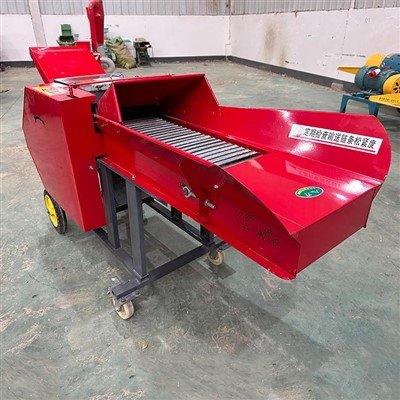
If you’re in the market for a new grass shredder, or you need guidance on maintaining the one you already own, our team is here to help. We work with residential users, small farms, and commercial landscape companies to find the right shredder for your needs, and we provide free safety training with every delivery to make sure you use your machine correctly from the first start to the final stop. Reach out to our team to discuss your shredder needs today.
Chaff Cutter References
OSHA Power Tool Safety Guidelines
American Society of Landscape Architects Yard Waste Management Best Practices
Grass Shredder Manufacturer Safety Standards for Residential and Commercial Units
National Lawn Care Safety Association Injury Prevention Data
Zhengzhou Xinyihaotong Machinery Manufacturing Co., Ltd.
As one of the most professional grass shredder manufacturers in China, we also support custom service. We warmly welcome you to buy high quality grass shredder for sale here from our factory. For price consultation, contact us.
Address: Rooms 2301–2312, Jiayi Building, Xinxiang City, Henan Province, China
E-mail: zhaoyixuan5566@gmail.com
WebSite: https://www.xyhtmachinery.com/
