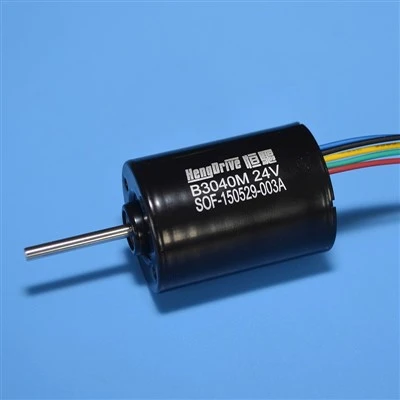
As a supplier of brushless DC motors, I’ve encountered numerous inquiries regarding noise reduction. Noise from these motors can be a nuisance in various applications, from consumer electronics to industrial machinery. In this blog, I’ll share some practical strategies to reduce the noise of brushless DC motors based on my years of experience in the industry. Brushless Dc Motor

Understanding the Sources of Noise in Brushless DC Motors
Before delving into noise – reduction techniques, it’s essential to understand where the noise in brushless DC motors comes from. There are primarily three sources: electromagnetic noise, mechanical noise, and aerodynamic noise.
Electromagnetic noise is generated by the interaction between the magnetic fields in the motor. When the stator windings are energized, they produce a magnetic field that interacts with the rotor’s magnetic field. This interaction can cause vibrations in the motor’s components, resulting in audible noise. The frequency of this noise is often related to the motor’s operating speed and the number of pole – pairs in the motor.
Mechanical noise is caused by the physical components of the motor. Bearings, for example, can generate noise if they are not properly lubricated or if they are worn out. The imbalance of the rotor can also cause vibrations, which translate into mechanical noise. Additionally, the friction between moving parts such as gears (if the motor is part of a geared system) can contribute to the overall noise level.
Aerodynamic noise is produced by the movement of air around the motor. When the motor operates, the rotation of the fan (if equipped) or the movement of the rotor can cause air turbulence, creating noise. This type of noise is more prominent in high – speed motors or motors with fans.
Electromagnetic Noise Reduction
1. Optimize the Motor Design
The design of the motor plays a crucial role in reducing electromagnetic noise. One approach is to carefully select the number of stator slots and rotor poles. A well – designed combination can minimize the harmonic content of the magnetic field, which in turn reduces the vibration and noise generated by the electromagnetic forces. For example, motors with an odd number of stator slots and an even number of rotor poles can have better electromagnetic performance and lower noise levels compared to some other combinations.
Another aspect of motor design is the shape and size of the stator windings. Using distributed windings instead of concentrated windings can help to smooth out the magnetic field distribution, reducing the peak values of the electromagnetic forces and thus the noise. Additionally, proper insulation of the windings can prevent electrical interference and reduce the associated noise.
2. Use Soft – Switching Techniques
In the motor drive circuit, hard – switching can cause high – frequency voltage and current spikes, which contribute to electromagnetic noise. Soft – switching techniques, such as zero – voltage switching (ZVS) and zero – current switching (ZCS), can be employed to reduce these spikes. By ensuring that the switching occurs at zero voltage or zero current, the electromagnetic interference and noise can be significantly reduced. This often requires the use of additional components in the drive circuit, such as resonant inductors and capacitors, but the benefits in terms of noise reduction can be substantial.
3. Implement Filtering
Filtering is an effective way to reduce electromagnetic noise. Input filters can be used to suppress the high – frequency noise from the power supply. These filters typically consist of inductors and capacitors arranged in a specific configuration, such as an L – C filter. Output filters can also be added to the motor drive to reduce the noise in the motor’s power input. These filters can smooth out the voltage and current waveforms, reducing the electromagnetic interference and the associated noise.
Mechanical Noise Reduction
1. Select High – Quality Bearings
Bearings are one of the main sources of mechanical noise in brushless DC motors. Choosing high – quality bearings with low noise characteristics is crucial. Bearings with proper lubrication and a high level of precision can significantly reduce the noise generated by the rotating parts of the motor. For example, ceramic bearings are known for their low friction and high – speed capabilities, which can also contribute to lower noise levels compared to traditional steel bearings.
2. Balance the Rotor
An unbalanced rotor can cause significant vibrations and noise. To reduce this, the rotor should be carefully balanced during the manufacturing process. Dynamic balancing machines can be used to measure and correct the imbalance of the rotor. By ensuring that the mass distribution of the rotor is uniform, the vibrations and the resulting mechanical noise can be minimized.
3. Minimize Friction
Reducing friction between moving parts is another important aspect of mechanical noise reduction. This can be achieved by using proper lubricants on the bearings and other contact surfaces. Additionally, the use of low – friction materials for the gears and other components can help to reduce the noise generated by friction. For example, plastic gears can sometimes be a good alternative to metal gears, as they have lower friction coefficients and can operate more quietly.
Aerodynamic Noise Reduction
1. Optimize Fan Design
If the motor is equipped with a fan, optimizing the fan design can significantly reduce the aerodynamic noise. The shape, size, and number of fan blades can all affect the noise level. For example, using fans with a larger number of blades can distribute the airflow more evenly, reducing the turbulence and the associated noise. Additionally, the blade profile can be designed to minimize the air resistance and the formation of vortices, which are major sources of aerodynamic noise.
2. Improve Airflow Path
The airflow path around the motor should be designed to minimize turbulence. This can be achieved by using smooth and well – designed ducts or air channels. Avoiding sharp bends or obstacles in the airflow path can reduce the formation of vortices and thus the noise. Additionally, the size of the air intake and exhaust ports should be carefully designed to ensure a smooth and efficient airflow.
Monitoring and Feedback
Once the noise – reduction measures are implemented, it’s important to monitor the motor’s performance to ensure that the noise level is within the acceptable range. This can be done using sound level meters to measure the noise at different operating conditions. If the noise level is still too high, feedback can be used to further optimize the motor design or the noise – reduction measures. For example, if the electromagnetic noise is still a problem, the motor drive parameters can be adjusted, or additional filtering can be added.
Conclusion
Brushless Dc Motor Reducing the noise of brushless DC motors is a complex but achievable goal. By understanding the different sources of noise and implementing appropriate noise – reduction techniques, we can significantly improve the performance and user experience of these motors. As a brushless DC motor supplier, I’m committed to providing high – quality, low – noise motors to our customers. If you’re interested in learning more about our products or have specific requirements for noise reduction in your applications, I encourage you to contact us for a procurement discussion. We have a team of experts who can work with you to find the best solutions for your needs.
References
- "Electric Motor Handbook" by Terence L. Wildi
- "Power Electronics: Converters, Applications, and Design" by Ned Mohan, Tore M. Undeland, and William P. Robbins
- "Mechanical Vibrations: Theory and Applications" by Singiresu S. Rao
Shenzhen HengDrive Technologies Co., Ltd.
Shenzhen HengDrive Technologies Co., Ltd. is one of the most professional brushless dc motor manufacturers and suppliers in China, specialized in providing high quality customized service. We warmly welcome you to buy the newest brushless dc motor in stock here from our factory.
Address: Building A & F, FuNing Hi-Tech Park, XinTian Road, FuHai Street, BaoAn District, ShenZhen, GuangDong Province, China.
E-mail: Marketing001@hengdrive.com
WebSite: https://www.hengdrivemotor.com/
