In the dynamic world of identification and access control, PVC cards have become ubiquitous. As a seasoned PVC card supplier, I’ve witnessed firsthand the importance of verifying the authenticity of these cards. With the increasing prevalence of counterfeiting and identity theft, ensuring the legitimacy of PVC cards is not just a matter of security; it’s a necessity for businesses and individuals alike. In this blog post, I’ll share some valuable insights and practical methods on how to verify the authenticity of PVC cards. PVC Cards

Understanding the Basics of PVC Cards
Before delving into the verification process, it’s crucial to understand the fundamental components of PVC cards. PVC, or polyvinyl chloride, is a widely used plastic material known for its durability and flexibility. PVC cards are commonly used for various purposes, including identification, access control, membership cards, and loyalty programs.
These cards typically consist of multiple layers of PVC material, with printed information, graphics, and security features embedded within. The printing techniques can range from offset printing for high – volume, detailed graphics to direct – to – card (DTC) printing for more personalized and on – demand cards.
Visual Inspection
One of the simplest and most accessible methods of verifying the authenticity of a PVC card is through visual inspection. Genuine PVC cards are often characterized by high – quality printing, sharp details, and consistent color. Here are some key visual cues to look for:
- Print Quality: Examine the printed text, graphics, and images on the card. Authentic cards will have clear, well – defined edges and no signs of smudging or blurring. The colors should be vivid and rich, with accurate color reproduction. For example, if there is a logo on the card, the lines should be clean, and the colors should match the official brand colors.
- Holograms and Foils: Many PVC cards incorporate holograms or foils as security features. These elements are difficult to replicate and can provide a quick visual indication of authenticity. Holograms should display a three – dimensional effect and change appearance when viewed from different angles. Foils should have a smooth, reflective surface and be firmly attached to the card.
- UV Printing and Fluorescent Inks: Some cards use UV – reactive inks or fluorescent inks that are only visible under ultraviolet light. Check for any hidden patterns, text, or graphics that become visible when the card is exposed to UV light. This is a common security measure used to prevent counterfeiting.
- Microprinting: Microprinting involves printing tiny, legible text that is difficult to reproduce. Look closely at the card using a magnifying glass to check for microprinted elements. These are often found in areas such as the edges of the card or around important information like the cardholder’s name or ID number.
Physical Examination
In addition to visual inspection, a physical examination of the PVC card can also reveal valuable information about its authenticity. Here are some physical characteristics to consider:
- Thickness and Flexibility: Genuine PVC cards have a consistent thickness and flexibility. Measure the thickness of the card using a caliper. Most standard PVC cards have a thickness of around 0.76mm, but this can vary depending on the specific application. Bend the card gently; it should flex without cracking or breaking. If the card feels too thin, too thick, or is unusually brittle, it may be a counterfeit.
- Edge Quality: The edges of a genuine PVC card are smooth and evenly cut. Check for any rough or jagged edges, which could indicate a poorly manufactured or counterfeit card. High – quality cards often have rounded edges for a more professional look and to prevent damage.
- Magnetic Stripe or Chip (if applicable): If the PVC card has a magnetic stripe or an embedded chip, examine these components closely. The magnetic stripe should be smooth and free of scratches or damage. For chip – enabled cards, the chip should be securely embedded in the card and show no signs of tampering. Try swiping a magnetic stripe card through a card reader or inserting a chip card into a compatible device to ensure proper functionality.
Verifying with Technology
In addition to visual and physical inspections, technology can play a crucial role in verifying the authenticity of PVC cards. Here are some technological tools and methods:
- Card Readers and Scanners: Many organizations use card readers and scanners to authenticate PVC cards. These devices can read the magnetic stripe, chip, or barcode on the card and verify the information against a database. For example, in an access control system, the card reader will check the cardholder’s credentials against the authorized list in the system.
- RFID Technology: Radio – Frequency Identification (RFID) is a wireless technology that can be used to verify the authenticity of PVC cards. RFID – enabled cards contain a small microchip and an antenna that can communicate with an RFID reader. The reader can quickly identify the card and check its authenticity by comparing the unique identifier stored on the chip with the database.
- Data Validation: For cards that contain personal information or account numbers, it’s important to validate the data against a reliable source. This can involve checking the cardholder’s name, address, and other details with a central database. For example, a bank can verify a debit or credit card by checking the card number, expiration date, and security code against its internal systems.
Authentication with the Manufacturer
When all else fails, contacting the card manufacturer can be an effective way to verify the authenticity of a PVC card. Here’s how:
- Batch Numbers and Serial Numbers: Many PVC cards have unique batch numbers and serial numbers printed on them. These numbers can be used to track the card’s production history and verify its origin. Contact the manufacturer and provide them with the batch and serial numbers to confirm the card’s authenticity.
- Manufacturer’s Security Features: Each manufacturer may have its own set of proprietary security features. The manufacturer can provide detailed information about these features and help you determine if the card is genuine. For example, they may have specific ink formulations or printing techniques that are used only in their genuine cards.
Importance of Authenticity Verification for Your Business
Verifying the authenticity of PVC cards is of utmost importance for businesses. Inaccuracies in card verification can lead to significant security risks, such as unauthorized access to facilities, identity theft, and financial loss. For instance, in a corporate environment, if a counterfeit access card is used to gain entry to restricted areas, it could lead to the theft of sensitive information or equipment.
In addition, businesses that issue membership or loyalty cards need to ensure the authenticity of these cards to maintain the integrity of their programs. Counterfeit cards could be used to fraudulently claim rewards or discounts, resulting in financial losses for the business.
Conclusion
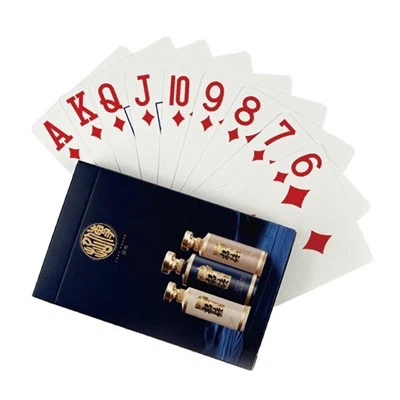
As a PVC card supplier, I understand the critical importance of ensuring the authenticity of the cards I provide. By employing a combination of visual inspection, physical examination, technological verification, and communication with the manufacturer, you can effectively verify the authenticity of PVC cards.
Cards If you’re in the market for high – quality, secure PVC cards or need further guidance on card authenticity verification, I’d be more than happy to assist you. Whether you’re looking for identification cards, access control cards, or membership cards, we have the expertise and resources to meet your needs. Contact me to start a conversation about your PVC card requirements and let’s work together to enhance your security and streamline your operations.
References
- ISO/IEC standards related to card materials and security features
- Industry whitepapers on card authentication and counterfeiting prevention
- Publications from leading card manufacturers on card security and verification techniques
Wuyi County Dayu Printing Co., Ltd.
As one of the most professional PVC cards manufacturers and suppliers in China, we offer a wide range of products with superior quality. Please rest assured to wholesale customized PVC cards at competitive price from our factory. For quotation, contact us now.
Address: No. 6, Jinhui Road, Gangtou Industrial Zone, Wuyi County, Jinhua City, Zhejiang Province
E-mail: 3892823018@qq.com
WebSite: https://www.dayuprint.com/
