If you’re reading this, you’re probably standing in a bathroom showroom, staring at stacks of aluminum shower profiles, wondering how on earth to pick the right one that won’t leak in a year, won’t scratch the second a bottle of shampoo falls, and won’t look dated in three years. As a supplier of aluminum shower profiles, I get these questions every single day. I’ve walked a plumber through my warehouse at 7 a.m. when he was rushing to finish a hotel project, and I’ve stayed on the phone with a homeowner at 8 p.m. because she couldn’t tell the difference between a 6000-series and a 7000-series aluminum. This post isn’t about jargon or sales pitches—it’s the real, on-the-ground advice I’ve picked up over 12 years in this business, stuff I’d tell my cousin if she were renovating her bathroom. Aluminum Showeroom Profile

First, let’s cut through the noise: aluminum shower profiles aren’t just “metal strips.” They’re the backbone of your shower enclosure. The right one keeps water where it belongs, holds heavy glass panels steady, and stands up to 10 years of steam, hard water, and the occasional misstep when setting down a soap dish. Pick the wrong one, and you’ll end up with a leak that warps the bathroom floor, a frame that bends so your door won’t close, or scuff marks that make your new shower look old in six months. The good news? Choosing the right profile doesn’t have to be complicated if you focus on four non-negotiables: material grade, finish, thickness, and shape.
Let’s start with material grade. This is the single most important factor, and it’s where most people get tricked by cheap imitations. Not all aluminum is the same. The two grades you’ll see most often are 6063 and 7075. Let me break it down like I would for a first-time builder. 7075 aluminum is super strong—think aircraft-grade, it can hold heavy weights without bending. But here’s the catch: it’s not very corrosion-resistant, especially when exposed to chlorine, which is in almost every municipal water supply and way more in well water or public pools. I once sold a batch of 7075 profiles to a man who was building a pool house shower, and he called me three months later furious because the frame had started pitting. That’s not a failure of the material—it’s a failure to pick the right grade for the application.
For showers, 6063 is the workhorse. It has the perfect mix of strength and corrosion resistance. It’s alloyed with magnesium and silicon, which means it’s soft enough to cut and shape into all the different profiles you need for shower frames, door tracks, or glass holders, but hard enough to hold up to daily use. You’ll also see cheaper “aluminum” profiles that are actually a lower grade, like 3003. Avoid these. I don’t even stock them in my warehouse anymore. They scratch easily, corrode after a year, and some have even reacted with silicone caulk, leaving green stains on the shower glass that you can’t scrub off. When in doubt, ask your supplier for a material test certificate. A reputable supplier will have these on hand—if they hesitate or say they don’t have them, walk away. I once had a customer tell me he saved $200 by buying a lower grade, and within 18 months he had to replace his entire shower enclosure. That $200 cost him $1,500 in repairs and a bad review.
Next, finish. This is what makes your shower look good, and it’s also a major factor in durability. The most common finishes are anodized, powder-coated, and bare (not recommended for showers). Let’s go through them. Anodized finishes are the best, in my opinion. They’re created by dipping the aluminum in an electrolytic solution, which forms a hard, protective oxide layer on the surface. This layer is way harder than paint or powder coat, so it doesn’t scratch easily, and it resists corrosion from water and chemicals. Anodized finishes come in a range of colors—silver, bronze, black, even matte white—and they won’t fade or peel over time. I installed a shower with anodized black profiles in my own bathroom five years ago, and not only does it look as good as the day I put it in, I’ve never had to touch up a scratch.
Powder-coated finishes are cheaper, but they’re not as durable. They’re applied as a dry powder that’s baked onto the aluminum, creating a thick layer. The upside is they come in almost any color you can imagine, and they look smooth and glossy. But the downside? They scratch easily, and if the finish chips, it can rust underneath. I had a customer a few years back who had his powder-coated shower installed, and two months later his kid dropped a plastic toy onto the frame, chipping the finish. By the end of the year, that chip had spread into a rust spot big enough to fit a quarter. Powder-coated works if you’re on a tight budget and you’re willing to do touch-ups every few years, but for a permanent fixture like a shower enclosure, anodized is worth the extra cost. And for the love of all things clean, stay away from bare aluminum. It looks cheap, it will tarnish within months, and it’s impossible to keep water spots off.
Now, thickness. This is another easy one to mess up. Shower profiles come in thicknesses from 0.8 mm to 2 mm. The rule is: the thicker the profile, the sturdier it is. But you don’t want to overdo it either. For standard shower enclosures with glass panels up to 10 mm thick, a 1.2 mm to 1.5 mm profile is perfect. It’s thick enough to hold the glass securely, it won’t bend when you open and close the door, and it won’t add unnecessary weight to your shower frame. If you’re using thicker glass—like 12 mm, which is common for walk-in showers—go for 1.5 mm to 2 mm profiles. I once had a contractor call me panicking because his first batch of profiles were too thin for a large custom shower he was building. The 0.8 mm profiles he ordered bent so badly when he tried to attach the glass, he had to scrap the whole frame and start over. That mistake cost him a full day of work and extra material, all because he tried to save a few cents on thinner profiles.
A lot of people think a thicker profile is always better, but that’s not true. For small, corner showers, a 1 mm profile is more than enough, and a thicker one would be overkill, adding cost and making the shower feel bulky. The key is to match the thickness to your glass size and the weight of the enclosure. If you’re unsure, ask your glass supplier—they work with shower profiles every day, and they’ll tell you exactly what thickness you need. Or, if you’re buying from a reputable supplier like me, we’ll recommend the right thickness for your project without you having to ask. We’ve done this so many times, we can look at a sketch of a shower and know exactly what profile thickness will work best.
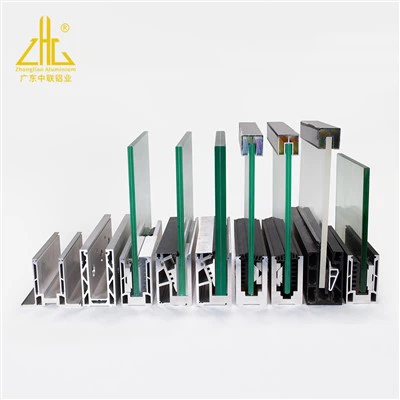
Last, shape and profile type. This is more about aesthetics and functionality than durability, but it’s still crucial. The two main shapes are U-shaped and T-shaped. U-shaped profiles are the most common for shower frames. They have a channel that holds the glass, so you can slide the door or attach it to the frame easily. T-shaped profiles are used for the top and bottom tracks of sliding shower doors, or for the edges of walk-in showers. They create a clean, seamless look and keep water from leaking out of the bottom of the door.
You also need to think about the type of profile you need. For standard pivot doors, you’ll need a frame profile, a door profile, and a track for the pivot hinge. For sliding doors, you’ll have top and bottom tracks, and side profiles that hold the glass. For walk-in showers with no door, you’ll need a threshold profile to direct water back into the shower, and edge profiles to cap the glass. The biggest mistake I see here is buying the wrong profile for your door type. For example, a pivot door needs a thicker frame that can support the hinge, while a sliding door needs tracks that are smooth enough for the door to glide. I once had a customer who bought a pivot door profile for a sliding door, and when he tried to install it, the door wouldn’t move at all. He had to order new profiles, and it set his project back a week.
Now, let’s talk about some extra tips that most suppliers won’t tell you. First, check the rubber seals. No matter how good your aluminum profile is, if the rubber seals are cheap, your shower will leak. The seals should be made of EPDM rubber, which is resistant to water, heat, and UV rays. Cheap rubber will crack within a year, leaving gaps where water can seep out. When you’re looking at profiles, run your finger along the seal—it should feel soft and flexible, not hard and brittle. If it cracks when you bend it, walk away.
Second, consider maintenance. Anodized profiles are the easiest to clean—just wipe them down with a damp cloth and they look new. Powder-coated profiles need a mild cleaner to avoid scratching, and bare profiles need to be polished every few months to keep tarnish away. If you have hard water, look for profiles with a smooth finish that doesn’t have lots of nooks and crannies where mineral deposits can build up. I always recommend anodized profiles for hard water areas because their smooth surface makes it easy to wipe away limescale.
Third, don’t forget about the accessories. The profiles are only part of the equation. You need hinges, handles, brackets, and silicone caulk that work with your profiles. A lot of people buy cheap hinges that don’t match their profile, and within a few months the hinge wears out or scratches the frame. When you order profiles, make sure the accessories are made by the same manufacturer, or at least tested to work with your profiles. Silicone caulk is another big one. Use a silicone that’s rated for bathrooms and aluminum—some silicone reacts with aluminum, causing discoloration. I always recommend neutral-cure silicone for shower installations.
Let me give you an example of a bad choice vs. a good choice. A few months ago, a customer came to me looking for cheap profiles for a rental property he was renovating. He wanted the thinnest profiles, the cheapest powder-coated finish, and he didn’t care about material grade. I told him it was a bad idea, but he insisted he could save money. Six months later, he was back, his rental shower had leaked, the floor was warped, and the profiles were scratched and pitted. He ended up buying a full set of good profiles from me for the same price he paid for the cheap ones, plus the cost of repairing the floor. That’s the thing about aluminum shower profiles—you get what you pay for. Cheap profiles might seem like a deal upfront, but they’ll cost you more in the long run.
Now, if you’re still stuck, here’s a quick checklist to follow: 1. Confirm the material grade: pick 6063 for showers, ask for test certificates. 2. Choose an anodized finish for durability, unless you’re on a tight budget and don’t mind touch-ups for powder-coated. 3. Match thickness to your glass size: 1.2-1.5 mm for glass up to 10 mm, 1.5-2 mm for glass up to 12 mm. 4. Pick the right profile shape for your door type: U-shaped for frames, T-shaped for tracks. 5. Check the rubber seals for flexibility and EPDM material. 6. Match accessories to your profiles.
At the end of the day, choosing the right aluminum shower profile is about balancing durability, aesthetics, and cost. You don’t need the most expensive profile on the market, but you do need one that’s built to last and works for your specific shower. As a supplier, I don’t pressure people to buy the most expensive thing— I help them pick what’s right for their project. Whether you’re a homeowner renovating your bathroom, a contractor working on a new build, or a designer putting together a custom shower, my team and I can help you find the perfect profiles. We’ve worked on everything from small corner showers in apartments to large custom walk-in showers in luxury homes, and we know exactly what works.
If you have questions about material grades, finishes, thicknesses, or specific projects, feel free to reach out to our team to discuss your requirements and get tailored recommendations. We’re here to make the process easy, no jargon, no pressure, just honest advice for your shower enclosure.
New Trend Aluminium Products References:
- American Society for Metals (ASM). Aluminum: Properties and Physical Metallurgy. ASM International, 1983.
- International Code Council (ICC). International Residential Code for One- and Two-Family Dwellings. ICC, 2021.
- Aluminum Association. Aluminum Design Manual: Specification for Aluminum Structures. Aluminum Association, 2020.
- ASTM International. Standard Specification for Aluminum Alloys for Extruded Architectural Applications (B221). ASTM International, 2022.
- Rubber Manufacturers Association (RMA). EPDM Rubber for Building and Construction Applications. RMA, 2019.
Foshan Pailian Aluminium Ltd
Foshan Pailian Aluminium Ltd is one of the most professional aluminum showeroom profile manufacturers and suppliers in China. With the aid of experienced staff and advanced equipment, we can assure you the high quality, high precision and excellent design of our products. Come and wholesale the cheap aluminum showeroom profile made in China here from our factory. Customized orders are welcome.
Address: 1802A, 1802B, 1802C, 1802D, 1802E,18th Floor, Aluminum Association Building, NO.70 Lingnan Road,DALI FOSHAN CITY,GUANGDONG ,CHINA
E-mail: zhlaluminum@gmail.com
WebSite: https://www.pailian-aluminium.com/
